





Executive summary:
- Dangerous social media challenges are viral dares that can push kids toward poisoning, choking, burns, or other physical harm.
- A November 2025 scoping review found YouTube was the platform most consistently linked to how risky challenges spread among young people.
- Parents should watch for patterns, not just trend names: secretive filming, unexplained marks, missing household items, sudden app fixations, and evasive answers about videos.
- FlexiSPY can support a calm check-in by surfacing app use, web searches, and dashboard alerts on Android phones and computers, but it does not replace conversation or local legal guidance.
A parent hears about a new «challenge» from another mom at pickup, or a news segment, or a worried text from their kid’s school. The name changes every few months — Benadryl, blackout, Tide Pod — but the question underneath is always the same: could my kid actually get pulled into this, and would I even know?
Dangerous social media challenges are viral dares — usually filmed and shared on YouTube, TikTok, or Snapchat — that push kids to do something physically risky, from swallowing too much medication to choking themselves for a few seconds of blackout. A November 2025 peer-reviewed scoping review in Injury Epidemiology, which analyzed every published study on risky social media challenges from 2000 to 2024, found YouTube was the platform most consistently linked to how these challenges spread among young people.
That finding matters because the danger usually isn’t announced with a warning label. It’s tucked inside a video your child watched, saved, or was tagged in, sitting between a dance trend and a gaming clip.
So the real question isn’t whether your kid has heard of a specific challenge; it’s whether you’d notice if they had. This guide names the challenges making the rounds right now, explains why teens get pulled in even when they know better, and gives a practical list of early warning signs — plus where an honest conversation does the job and where monitoring can add something a conversation can’t.

What actually counts as a dangerous social media challenge
Not every viral trend belongs in this category. The mannequin challenge and the ALS ice bucket challenge asked kids to stand still or get wet — harmless, and in the ice bucket case, it raised real money for research.
A dangerous challenge is different. It dares participants to do something that can cause physical injury or poisoning, often for views or a place in a video that gets shared among friends.
Most of these spread through video-based platforms rather than text posts or forwarded messages, which is what the scoping review found when it traced how risky challenges circulate among teens and preteens. The risk usually looks like ordinary video content, not something flagged as dangerous.
Why teens take the bait even when they know better
A smart, sensible kid can still take part in something risky, and that’s not a parenting failure — it’s how adolescent brains are wired. The American Academy of Pediatrics explains that teens are still developing the part of the brain responsible for weighing long-term consequences, while the reward-seeking part is already fully active.
Add a peer watching, filming, or daring them, and the pull toward doing it «just this once» gets stronger than it would in a calm, private moment.
It’s not just peer pressure in the vague sense. It’s the specific mix of being tagged by name, watching a friend already do it, and knowing the video will get views, comments, or a laugh.
That combination of social validation and momentary attention is what a lot of these challenges are built to trigger, and it can override a kid’s own better judgment for the length of one video.
The challenges making the rounds right now
New challenges appear and disappear quickly, so treat this as a snapshot, not a permanent list. This section was last reviewed on July 4, 2026.
Some of the names below have circulated for years and keep resurfacing under new hashtags.
- Blackout/choking challenge — participants choke themselves or each other to the point of passing out. This one has caused deaths and remains one of the most dangerous on record.
- Benadryl challenge — daring kids to take a large dose of an over-the-counter antihistamine to trigger hallucinations, risking seizures and cardiac problems.
- Tide Pod challenge — biting or swallowing laundry detergent pods, which are toxic and can cause serious poisoning.
- Fire challenge — dousing skin in a flammable liquid and igniting it briefly, resulting in real burns.
- Cinnamon challenge — swallowing a spoonful of dry cinnamon, which can cause choking and lung irritation.
- One-Chip challenge — eating an extremely spicy chip, which has sent teens to the ER with severe gastrointestinal distress.
- NyQuil «sleepy chicken» — cooking chicken in cold medicine, which concentrates the medication into a dangerous dose.
- Chroming/dusting — inhaling household aerosols or chemicals for a brief high, which can cause sudden cardiac arrest even on a first try.
By the time this article is updated, some of these names will have faded and new ones will have taken their place. The pattern behind them — a dare, a camera, and household items used the wrong way — tends to repeat even as the specific challenge changes.
The early warning signs a parent can actually catch
Waiting for a challenge to make headlines means you’re always a step behind. The more useful approach is watching for small, specific changes at home.
- Secretive filming or repeated retakes — a kid filming the same short clip over and over, especially somewhere private like a bathroom or bedroom.
- Unexplained marks — bruising, redness around the neck, burns, or scrapes with a vague or shifting explanation.
- Missing household items — medication, aerosol cans, or chemicals that seem to be disappearing faster than usual.
- A sudden fixation on one app, hashtag, or account — especially if it’s new and they’re spending noticeably more time there.
- Reluctance to explain a video or photo — particularly one they were tagged in by friends, where they change the subject or get defensive.
None of these alone proves participation. A bruise could be from soccer practice, and a fixation on one app could just be a new favorite show.
But two or three showing up together — especially alongside a challenge you’ve heard is circulating at their school — is worth a direct, calm conversation.
Starting the conversation without shutting it down
The most useful opener isn’t «have you done this,» it’s «have you seen kids doing this.» Asking about peers rather than accusing your own child keeps the conversation open instead of triggering a defensive shutdown.
A good follow-up, drawn from the peer-focused approach pediatric guidance recommends: «What would you do if a friend dared you to try that?» It gets your child thinking through the scenario out loud, without feeling cornered, and it tells you whether they already have a plan to say no — or haven’t thought about it at all.
A real exchange might sound like this: «I saw a story about kids trying the blackout challenge. Has anyone at school joked about it or sent you a video?»
If they say yes, keep your next line simple: «If someone tagged you or dared you, what would make it easy to say no?»
Where monitoring fits — and its legal limits
Monitoring software doesn’t detect a specific challenge or flag dangerous content automatically. What it can do is surface the same signals discussed above — a spike in app use, a search pattern, or an unusual notification — without you needing to pick up your child’s phone and scroll through it yourself.
FlexiSPY‘s Applications Used view on Android shows which apps your child is actually spending time in, including TikTok and YouTube on the Premium tier and above — useful context given how consistently video platforms show up in the research on how these challenges spread.
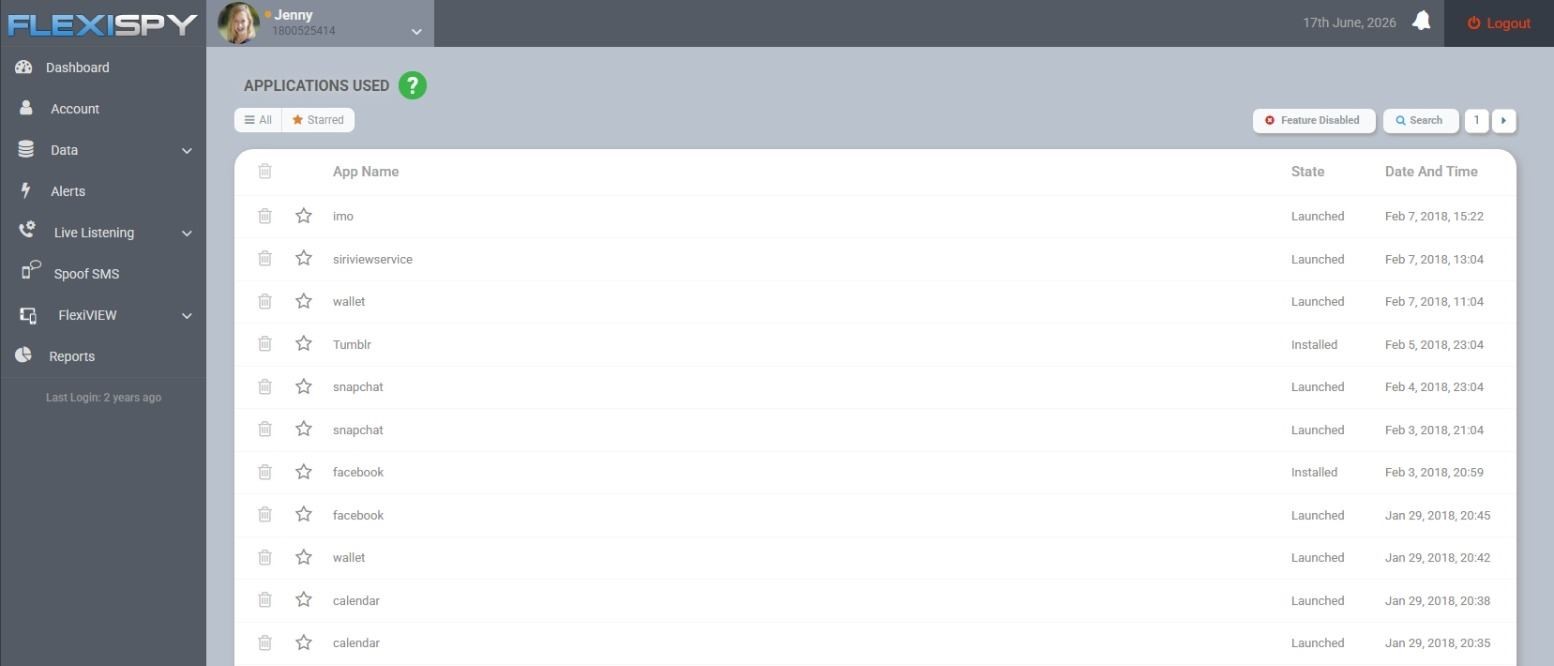
The Websites Visited log can show a spike in searches around a specific term or hashtag.

Dashboard Alerts flag activity worth a closer look — a way to notice something is different without confronting the device directly in the moment.

This applies to Android phones and computers only — FlexiSPY has no iOS product, so it can’t monitor an iPhone or iPad.
A legal note worth taking seriously: keep monitoring limited to a device belonging to your own minor child, and remember that laws around message and app-activity monitoring vary by country and state. If you’re unsure where you stand, check your local law before setting anything up.
When monitoring is overkill
Not every challenge scare calls for software. If your child is younger, you have an open relationship where they already tell you what’s going on with friends, and none of the warning signs above are showing up, a conversation and a shared look at their app’s privacy settings is probably enough.
Monitoring is proportionate to the level of concern you actually have, not a default first step for every viral trend that makes the news. Save it for situations where you’ve already noticed something specific — a mark, a missing item, a fixation — and want a clearer, calmer picture before you talk to your child about it.
What to do next
If you suspect your child has swallowed medication, a chemical, or anything else as part of a challenge, call Poison Control at 1-800-222-1222 right away rather than waiting to see how they feel.
If you come across a specific video that’s actually dangerous, report it directly on the platform — most apps have a reporting flow built for exactly this, and it’s faster than trying to get it taken down through customer service.
If you’re dealing with a company-owned device rather than a child’s phone — say, an employee’s work social media account — the considerations around consent and legal access are different. Our guide on how to legally get your employees’ Facebook and social media passwords walks through that separate situation.